
Landscape lighting plays a pivotal role in enhancing the beauty, safety, and functionality of outdoor spaces. One of the most popular choices for landscape lighting today is low voltage lighting. Not only does it offer practical benefits, but it also creates a dramatic effect that elevates any outdoor environment. In this article, we’ll explore the advantages of landscape low voltage lighting, its applications, installation tips, and how it can transform your outdoor spaces.
What Is Landscape Low Voltage Lighting?
Low voltage lighting refers to outdoor lighting systems that operate on a voltage of 12 volts, compared to the standard 120 volts used for traditional lighting. This system uses a transformer to step down the voltage from 120V to 12V, allowing the lights to work efficiently and safely without the need for high-power electrical circuits.
The design of low voltage lighting is such that it can be easily installed without requiring the expertise of an electrician. These systems are flexible and can be used for a wide range of outdoor applications, including gardens, patios, pathways, decks, and even pools.
The Benefits of Landscape Low Voltage Lighting
1. Energy Efficiency
One of the most significant advantages of low voltage lighting is its energy efficiency. Compared to traditional high-voltage lights, low voltage lights consume significantly less power. This not only helps to lower energy bills but also reduces your carbon footprint, making it an eco-friendly option for homeowners looking to conserve energy.
2. Increased Safety
Low voltage lighting is safer than traditional high-voltage lighting because it operates at a much lower electrical current. This greatly reduces the risk of electrical shocks or fires, which is especially important in outdoor areas that are exposed to moisture and weather conditions.
Moreover, properly placed low voltage lights can help improve visibility around walkways, stairs, and driveways, reducing the likelihood of accidents and falls during the night.
3. Easy Installation
Installing low voltage landscape lighting is relatively straightforward and doesn’t usually require professional assistance. The wiring is simpler to handle, and you don’t need to worry about handling high-voltage circuits. Most low-voltage lighting kits come with easy-to-follow instructions, making DIY installation a viable option for many homeowners.
The flexibility of low voltage systems also means that you can easily add or move lights around your landscape, making it a great option for those who like to change their outdoor design from time to time.
4. Long-Lasting
Low voltage lights are designed for durability and longevity. LED bulbs, which are commonly used in landscape low voltage lighting, have a much longer lifespan than traditional incandescent bulbs. With an average lifespan of up to 50,000 hours, you’ll enjoy years of trouble-free illumination without frequent replacements.
Additionally, because low voltage lighting operates at a lower temperature, it is less prone to overheating, which further extends the life of the bulbs.
5. Aesthetic Appeal
One of the most compelling reasons to choose landscape low voltage lighting is its ability to transform the look and feel of your outdoor space. With the right placement, low voltage lighting can create a warm and inviting atmosphere, highlight architectural features, and accentuate the beauty of plants, trees, and outdoor structures.
Low voltage lights are available in various designs, allowing you to customize the look of your landscape. Whether you want to create a soft, romantic ambiance with subtle lighting or showcase certain features with dramatic lighting effects, low voltage systems offer versatility that meets a wide range of aesthetic preferences.
Common Applications of Landscape Low Voltage Lighting
1. Pathway Lighting
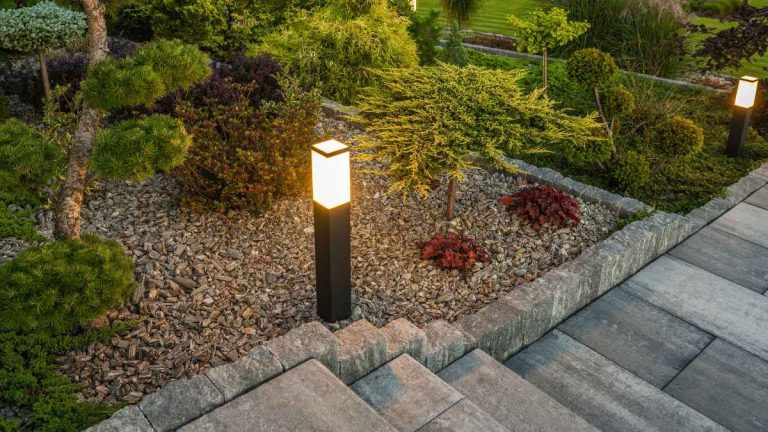
Pathway lighting is perhaps the most common use of landscape low voltage lighting. Not only does it improve safety by illuminating walkways and driveways, but it also adds a decorative touch. Low voltage path lights can create a soft glow along your paths, leading guests safely to your front door or around your garden.
2. Accent Lighting
Accent lighting is used to highlight specific features in your landscape, such as trees, sculptures, fountains, or architectural elements. By placing low voltage lights strategically, you can create dramatic shadows and textures that emphasize the beauty of your outdoor design.
3. Uplighting and Downlighting
Uplighting and downlighting are techniques that can be achieved with low voltage lights to create mood and highlight different areas of your garden. Uplighting shines from the ground upward, emphasizing the height and form of trees or tall plants, while downlighting mimics natural daylight and creates a serene, peaceful atmosphere.
4. Deck and Patio Lighting
Low voltage lighting is also ideal for illuminating decks and patios. Whether you want to add mood lighting for evening dinners or provide functional lighting for grilling, low voltage options are perfect for illuminating these outdoor spaces without overwhelming the ambiance.
5. Pool and Water Feature Lighting
Lighting around pools, ponds, and water features can enhance the natural beauty of water elements. Submersible low voltage lights are available to create shimmering effects in the water, while strategically placed uplights can highlight fountains and waterfalls.
How to Install Landscape Low Voltage Lighting
1. Planning Your Design
Before you start installing your low voltage lighting system, it’s essential to plan the layout. Consider which areas of your landscape you want to highlight and how much light you want in each space. Mark the spots for your lights, ensuring there’s enough distance between them to create an even glow.
2. Installing the Transformer
The transformer is the heart of any low voltage system, as it steps down the voltage from 120V to 12V. Place the transformer near a power source, typically on a fence or a wall close to your electrical panel. Ensure it is rated for the number of lights you plan to install.
3. Wiring the Lights
Low voltage landscape lighting uses a simpler wiring system compared to traditional outdoor lighting. You’ll need to connect the wiring to the transformer and run it to the various light fixtures. Be sure to use outdoor-rated wire and connectors to ensure the system is weather-resistant.
4. Placing the Lights
Once the wiring is in place, position the lights in the planned spots. Make sure to bury the wires a few inches underground to prevent tripping hazards and protect them from the elements.
5. Testing the System
Before finalizing the installation, test the system to ensure all lights are functioning correctly. Adjust the positioning of any lights as needed to achieve the desired lighting effect.
Conclusion
Landscape low voltage lighting is a versatile and energy-efficient option that enhances the beauty, safety, and functionality of your outdoor spaces. Whether you’re illuminating walkways, highlighting architectural features, or creating a tranquil garden retreat, low voltage lighting provides a practical solution with aesthetic appeal. With easy installation and long-lasting results, it’s a wise investment that can transform your outdoor living areas into inviting and well-lit environments.
As you plan your outdoor lighting, remember to consider the style and functionality you want to achieve. By leveraging the many benefits of low voltage landscape lighting, you can create a visually stunning landscape that shines brightly well into the night.
Write a comment ...