
Outdoor lighting now plays a major role in improving safety, comfort, and nighttime visibility around modern homes. Motion Sensor Landscape Lighting creates efficient illumination that responds instantly when movement appears near walkways, gardens, or entry points. These systems reduce unnecessary energy use during quiet hours. They also support better visibility for guests and family members. Smart placement improves outdoor functionality.
Smart Benefits
Motion-activated landscape lighting gives homeowners more control over outdoor spaces without requiring constant operation throughout the night. These lighting systems react only when movement is detected, which helps reduce excessive electricity usage while maintaining dependable visibility. Many modern fixtures are designed to operate efficiently in changing weather conditions and seasonal temperatures.
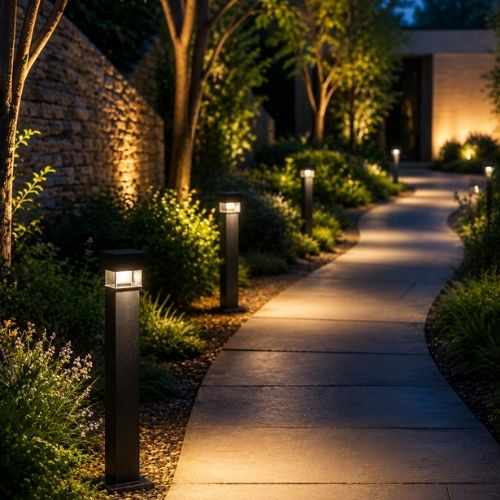
Property owners often choose motion sensor fixtures for pathways, patios, driveways and garden borders because they create practical nighttime guidance. The automatic response also adds a layer of comfort for families returning home after dark. Well-positioned fixtures can make outdoor areas appear more welcoming while limiting dark corners around important access points.
Placement Ideas
Proper placement strongly affects the performance and appearance of motion activated lighting systems. Installing fixtures near entryways allows movement detection to activate lighting quickly when someone approaches the property. Garden edges and pathways also benefit from balanced lighting coverage that improves walking safety during evening hours.
For larger landscapes, homeowners may combine several fixtures to create consistent visibility throughout the property. Motion sensors should face areas where activity commonly occurs while avoiding unnecessary triggers from nearby roads or moving branches. A thoughtful arrangement helps maintain both functionality and visual balance across outdoor spaces.
Key placement areas include
Walkways and garden paths
Driveways and garages
Patio seating areas
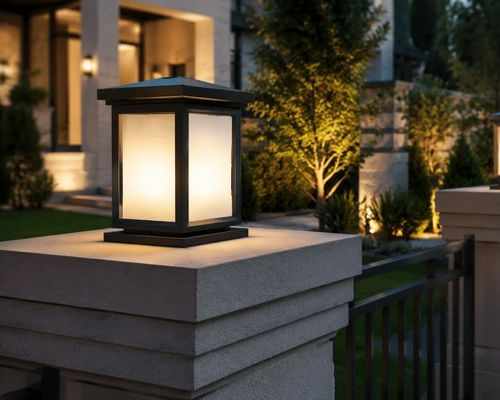
Front entrances and gates
Backyard recreational zones
Energy Savings
Energy efficiency remains one of the strongest advantages of motion sensor landscape lighting. Traditional outdoor fixtures may remain active for long periods even when no activity occurs. Motion-activated systems limit operation to necessary moments which reduces energy waste and lowers long-term maintenance demands.
Many homeowners appreciate the balance between convenience and responsible energy use. Since fixtures operate only during movement detection bulb lifespan may improve over time. This can reduce replacement frequency while supporting a more sustainable lighting setup around the property. Efficient lighting practices also align with modern outdoor design preferences that prioritize practicality and environmental awareness.
Design Appeal
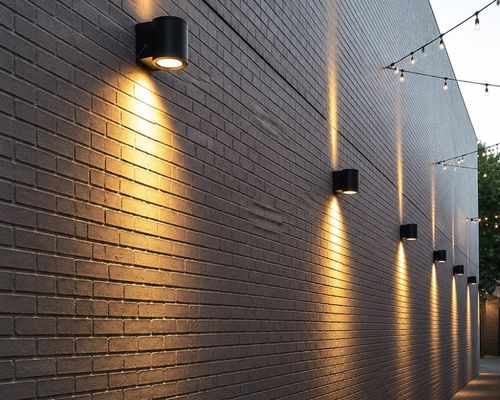
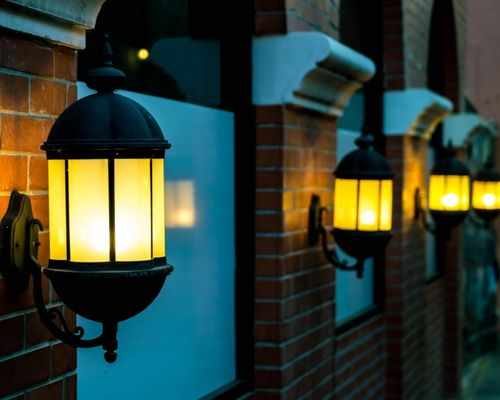
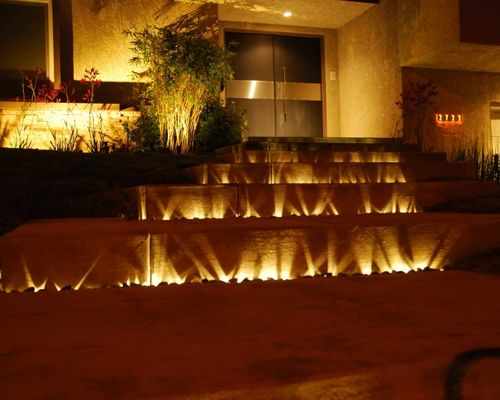
Modern landscape lighting combines security with attractive outdoor presentation. Motion sensor fixtures are now available in various finishes shapes and brightness levels that complement different architectural styles. Homeowners can select designs that blend naturally with garden stone pathways or contemporary exterior spaces.
Warm lighting tones often create a welcoming atmosphere, while brighter illumination may suit functional areas such as driveways or entrances. Layering different fixture styles across the landscape can enhance depth and visual interest during nighttime hours. Well-designed lighting supports curb appeal without overpowering the natural beauty of outdoor surroundings.
Maintenance Tips
Routine maintenance helps outdoor lighting systems perform consistently throughout the year. Dirt leaves and moisture may affect sensor performance if fixtures are not cleaned regularly. Checking alignment and removing debris from surrounding landscaping can improve motion detection accuracy.
Homeowners should also inspect wiring connections and fixture stability during seasonal weather changes. Replacing worn bulbs quickly helps maintain balanced illumination across the property. Selecting durable outdoor-rated materials may reduce long-term wear caused by rain, wind, and temperature fluctuations.
Helpful maintenance practices include
Clean sensors regularly
Trim nearby plants
Check fixture positioning
Inspect electrical connections
Replace damaged bulbs promptly
Final Thoughts
C2C Lights highlights how motion-based outdoor lighting can improve visibility while supporting energy-conscious homeowners throughout changing seasonal conditions. Thoughtful fixture placement near gardens, pathways, and entrances creates dependable nighttime guidance for visitors and residents. Reliable sensors also help reduce wasted electricity during quiet evening hours. Carefully selected outdoor lighting solutions can improve both everyday convenience and the overall atmosphere of exterior living spaces.










Write a comment ...