
Modern commercial spaces demand lighting that supports productivity, enhances customer experiences, and reduces operating costs. From offices and retail stores to warehouses and hospitality venues, selecting the right lighting solution has become an essential part of creating efficient and welcoming environments. Commercial Lights Indoor play a significant role in delivering consistent illumination while improving energy performance and long-term reliability.
Every commercial property has unique lighting requirements depending on its layout, purpose, operating hours, and design goals. Choosing high-quality LED lighting solutions can help businesses achieve better visibility, lower maintenance needs, and improved energy efficiency without compromising aesthetics. Whether upgrading an existing facility or planning a new installation, understanding the available lighting options makes it easier to create a practical and visually appealing environment.
Benefits
LED lighting has transformed commercial interiors by providing brighter illumination with lower power consumption than traditional lighting technologies. Businesses benefit from improved light quality, longer product lifespans, and reduced replacement frequency, making LED fixtures a practical investment for both small and large commercial facilities. Consistent illumination also contributes to employee comfort and customer satisfaction throughout the day.
Commercial indoor lighting can also enhance the overall appearance of a workspace by highlighting architectural features, products, displays, and work areas. Well-designed lighting creates an inviting atmosphere while supporting productivity and reducing eye strain in environments where people spend extended periods indoors.
Key advantages include:
Lower energy consumption and reduced utility costs.
Long operational lifespan with minimal maintenance.
Improved brightness and color consistency.
Better visibility for employees and customers.
Environmentally friendly lighting with reduced waste.
Installation
Planning an indoor lighting system involves more than selecting attractive fixtures. Proper fixture placement, light distribution, beam angles, ceiling height, and electrical planning all influence overall performance. Businesses should evaluate how each area will be used to ensure the lighting delivers the right balance of brightness and efficiency throughout the facility.
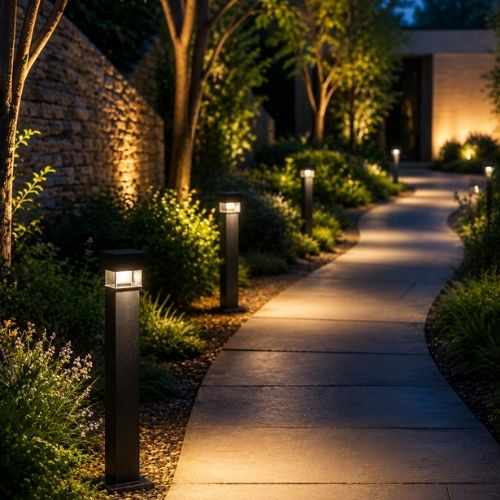
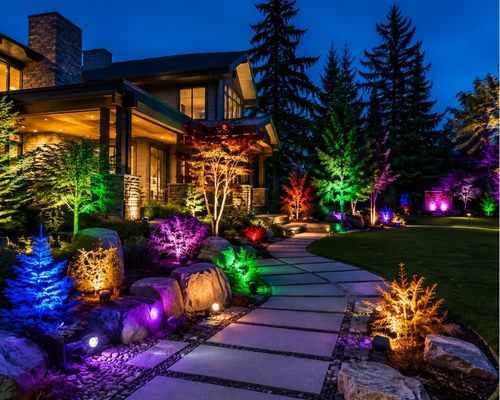
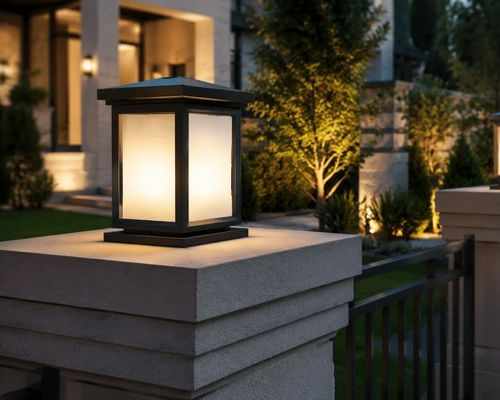
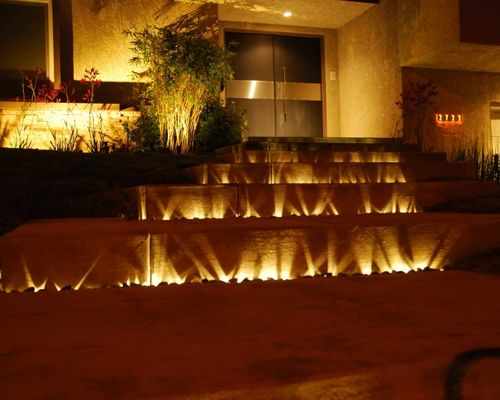
During commercial lighting projects, installers often coordinate indoor electrical systems alongside outdoor infrastructure. For example, Direct Burial Low Voltage Wire is commonly selected for exterior landscape and pathway lighting where underground cable protection is necessary. While it serves outdoor low-voltage applications rather than indoor illumination, understanding how different lighting components work together allows businesses to develop a complete lighting strategy that supports both interior and exterior spaces with dependable performance.
Applications
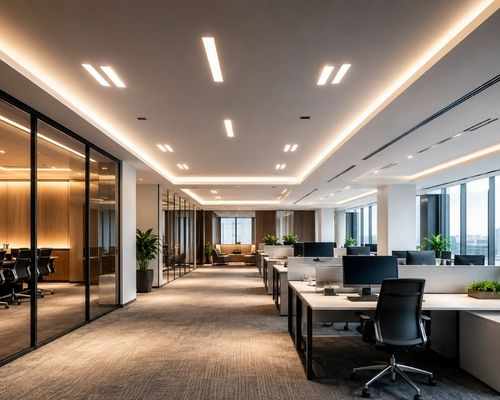
Commercial indoor lighting serves a wide variety of industries, each with different operational requirements. Office environments require balanced illumination that reduces glare and supports concentration, while retail stores depend on lighting that enhances product presentation and encourages customer engagement. Healthcare facilities prioritize comfortable lighting that promotes visibility without creating harsh conditions for patients or staff.
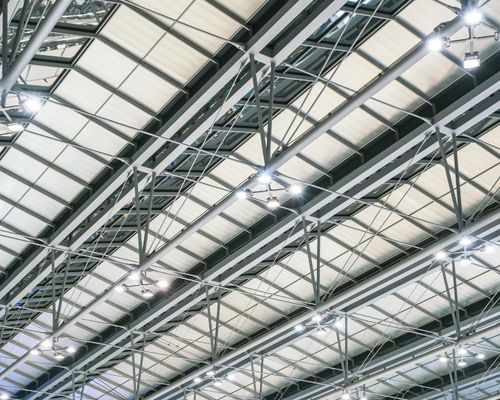
Industrial buildings and warehouses require high-output fixtures capable of illuminating large spaces efficiently while maintaining workplace safety. Educational institutions, restaurants, hotels, and entertainment venues also rely on carefully designed indoor lighting systems that combine functionality with attractive aesthetics to improve the overall experience for visitors and employees.
Selection
Choosing the appropriate commercial lighting involves evaluating multiple factors beyond fixture appearance. Light output, color temperature, energy efficiency, mounting style, operating environment, and maintenance expectations should all be considered before making purchasing decisions. Matching fixtures with the intended application ensures consistent performance and maximizes long-term value.
Businesses should also think about future expansion, lighting controls, occupancy sensors, and smart management systems that improve operational efficiency. Investing in quality commercial LED fixtures helps reduce downtime while supporting sustainability goals through lower energy consumption and extended product life.
Important selection factors include:
Required brightness for each workspace.
Appropriate color temperature for the environment.
Fixture durability and expected lifespan.
Energy efficiency ratings and operating costs.
Compatibility with lighting controls and future upgrades.
Efficiency
Energy efficiency remains one of the primary reasons businesses replace outdated lighting systems with modern LED solutions. High-performance commercial fixtures consume significantly less electricity while delivering superior brightness and consistent illumination. Reduced energy demand contributes to lower operating expenses and supports environmental sustainability initiatives.
Long-lasting LED fixtures also minimize maintenance interruptions because they require fewer replacements over time. This advantage is especially valuable in commercial buildings with high ceilings or difficult-to-access installations where maintenance costs can quickly increase. Reliable lighting improves workplace productivity while helping organizations maintain safe and attractive environments throughout daily operations.
Design
Lighting design has a direct impact on how commercial interiors feel and function. Proper layering of ambient, task, and accent lighting creates balanced spaces that accommodate different activities while enhancing visual comfort. Designers often combine recessed fixtures, panel lights, linear lighting, downlights, and decorative elements to achieve both functional and aesthetic objectives.
Uniform illumination reduces shadows and glare while improving navigation throughout commercial buildings. Thoughtful lighting layouts can also emphasize architectural features, improve product visibility in retail settings, and create welcoming environments that encourage visitors to spend more time inside the facility.
Maintenance
Regular maintenance helps preserve lighting performance and extends the useful life of commercial fixtures. Periodic inspections allow facility managers to identify dust accumulation, damaged components, loose electrical connections, or outdated equipment before they affect illumination quality. Preventive maintenance also supports workplace safety and reduces unexpected downtime.
Cleaning fixtures, verifying electrical performance, and replacing aging components when necessary contribute to consistent lighting across the entire building. Establishing a scheduled maintenance program helps businesses maximize their lighting investment while ensuring employees and customers continue to benefit from dependable illumination every day.
Final Thoughts
C2C Lights understands that selecting dependable commercial lighting is an important investment for businesses seeking long-term performance, energy savings, and attractive interior environments. By choosing well-designed LED solutions that match the specific needs of offices, retail stores, warehouses, educational facilities, hospitality venues, and other commercial spaces, organizations can improve productivity, reduce maintenance costs, and create welcoming environments for employees and visitors alike. Careful planning, quality fixtures, and professional installation ensure that Commercial Lights Indoor continue delivering reliable illumination, operational efficiency, and lasting value for years to come.






Write a comment ...