
Introduction
Modern commercial spaces need lighting that combines visibility, durability, and visual appeal. Commercial Industrial Outdoor Lighting helps businesses create safer, more functional exteriors while supporting an attractive architectural appearance. From entrances and pathways to retail areas and office surroundings, thoughtfully selected fixtures can improve usability after dark. The right lighting approach also supports a polished property image while delivering dependable performance through changing outdoor conditions.
Lighting Needs
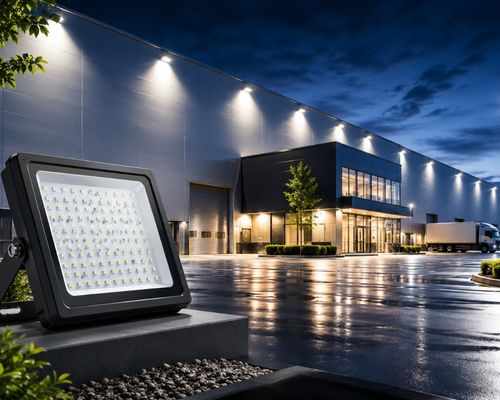
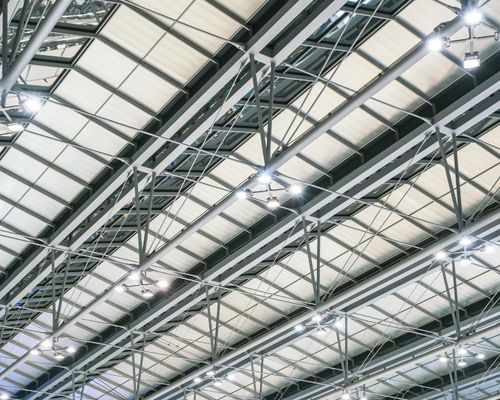
Outdoor commercial environments have different lighting requirements depending on their purpose, layout, and operating hours. Industrial facilities may need strong illumination around loading areas, service entrances, warehouses, and walkways. Retail properties often require a balance between visibility and presentation, especially around storefronts, parking areas, and customer entrances.
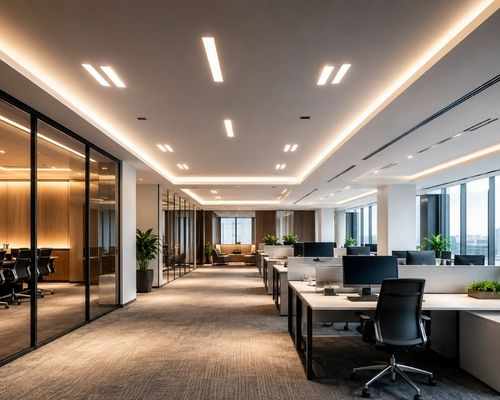
Office properties can benefit from carefully positioned fixtures that create comfortable surroundings without producing unnecessary glare. A coordinated lighting plan considers mounting positions, beam direction, brightness, fixture durability, and the visual character of the building.
Selecting fixtures according to the environment can also reduce maintenance concerns. Commercial-grade products are generally designed to withstand regular use and outdoor exposure, making them suitable for properties where consistent lighting is important.
Fixture Choices
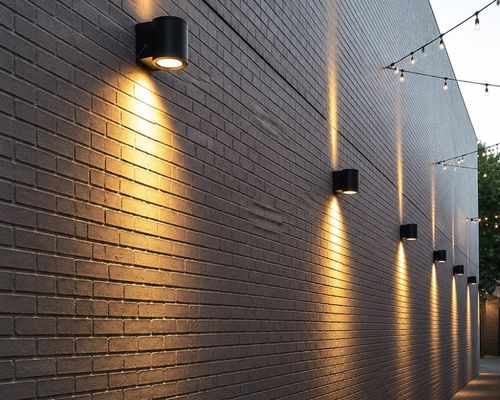
A successful exterior lighting plan depends on choosing fixtures that match the intended application. Wall-mounted fixtures can illuminate entrances, corridors, and exterior walls, while ceiling-mounted options can provide focused illumination beneath covered areas. Flood-style fixtures may be useful for larger spaces that require broader coverage.
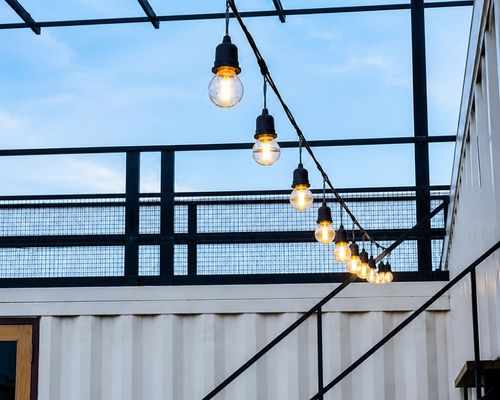
Decorative fixtures can also contribute to the architectural identity of a property. When practical illumination and visual design work together, outdoor areas can appear more welcoming and organized.
Fixture selection should also consider installation height, light distribution, environmental exposure, and maintenance accessibility. These factors help ensure that the lighting performs effectively without becoming visually overwhelming.
Landscape Details
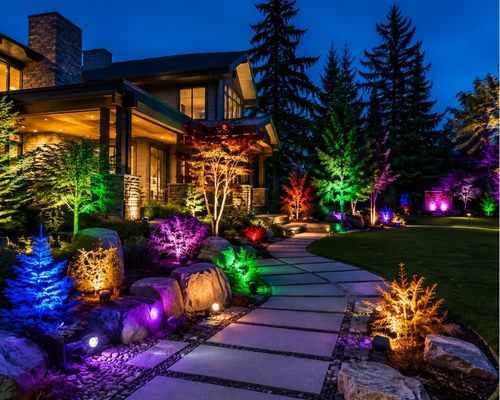
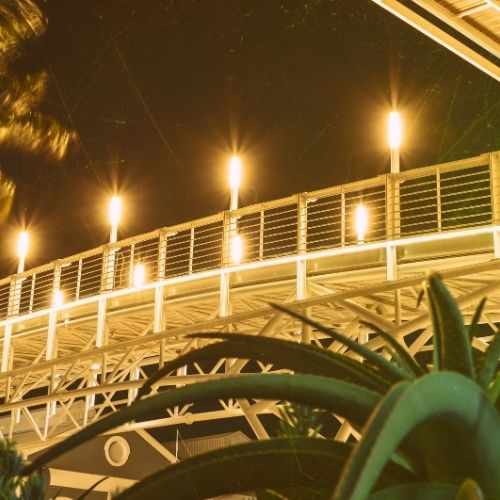
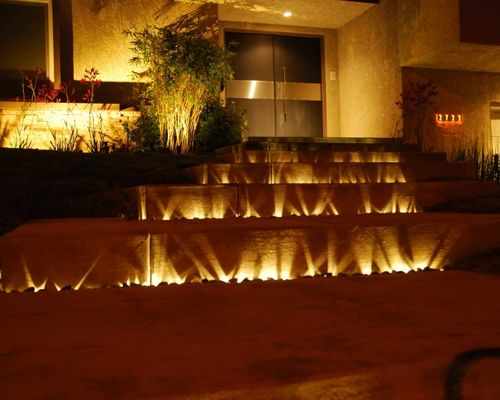
Landscape areas deserve careful attention because pathways, planting beds, patios, and architectural features can influence the overall appearance of a commercial property. LED Hardscape Lighting can be incorporated around retaining walls, steps, paved areas, seating spaces, and landscape structures to provide subtle illumination while highlighting important outdoor details.
A well-planned landscape lighting arrangement can create visual depth and improve navigation. Fixtures should be positioned to avoid harsh glare and excessive brightness. Instead, layered illumination can guide visitors naturally through an exterior environment while complementing the surrounding architecture.
Landscape lighting can also help connect functional exterior areas with decorative elements. This makes it useful for hospitality properties, retail locations, offices, mixed-use developments, and other commercial environments where appearance matters alongside practical visibility.
Energy Efficiency
Energy efficiency is an important consideration for businesses seeking reliable exterior illumination. LED technology can provide strong light output while generally consuming less energy than many traditional lighting technologies. This can make it suitable for properties that operate lighting systems for extended periods.
Efficient fixtures can also support more predictable operating costs. When combined with appropriate controls, businesses can manage lighting according to operating schedules, occupancy patterns, or specific property requirements.
Useful efficiency considerations include:
Choose fixtures according to the actual lighting requirement.
Consider efficient light distribution to minimize wasted illumination.
Use controls where practical for scheduled operation.
Select durable products to reduce replacement frequency.
Review fixture performance before completing a larger installation.
Energy efficiency should not mean compromising visibility. Proper fixture placement and appropriate light distribution are essential for achieving useful illumination while avoiding unnecessary output.
Safety Standards
Exterior commercial lighting plays an important role in creating safer surroundings for employees, customers, visitors, and service personnel. Entrances, pathways, stairs, parking areas, and loading zones should receive suitable illumination based on their use and layout.
Poorly positioned fixtures can create shadows, glare, or uneven brightness. These issues may reduce visibility rather than improve it. A thoughtful design distributes illumination across important areas and avoids directing excessive light toward pedestrians, drivers, neighboring properties, or windows.
Businesses should also consider fixture construction and environmental suitability. Outdoor products need to handle conditions such as moisture, dust, temperature changes, and regular exposure to the surrounding environment. Choosing appropriate products and following professional installation practices can support long-term performance.
Design Benefits
Lighting contributes significantly to the way a commercial property is perceived after sunset. A well-designed exterior can make an entrance more noticeable, emphasize architectural features, and establish a consistent visual identity.
Lighting can be used to draw attention to specific areas without overwhelming the entire property. For example, an entrance may receive focused illumination while pathways receive softer guidance lighting. Architectural surfaces can also be highlighted to create depth and dimension.
Design consistency is particularly useful for businesses with multiple exterior areas. Coordinated fixture styles and complementary illumination can help different sections of a property appear connected. The result is an exterior environment that feels intentional rather than randomly illuminated.
Installation Planning
Effective installation begins with understanding how a property is used. Designers and property managers should identify primary entrances, pedestrian routes, parking locations, service areas, architectural features, and landscape elements before selecting fixture positions.
Important planning considerations include:
Map areas requiring functional illumination.
Identify locations where mounting access is practical.
Consider wiring and power requirements before installation.
Position fixtures to control glare and unwanted shadows.
Plan maintenance access for future servicing.
Installation planning should also account for the surrounding architecture. Fixtures should complement the building rather than distract from it. Proper spacing and positioning can create consistent coverage while reducing unnecessary fixture concentration.
Professional installation can further help ensure that products are mounted securely and connected appropriately. This is especially valuable for larger commercial properties where lighting systems may include numerous fixtures and operating zones.
Property Appeal
A thoughtfully illuminated commercial property can create a stronger first impression. Customers often encounter exterior areas before entering a building, making entrances, walkways, signs, and surrounding landscapes important parts of the overall experience.
Outdoor illumination can also support property presentation during evening business hours. Retail locations can use lighting to complement storefront architecture, while offices can create a professional appearance around entrances and pedestrian routes. Industrial facilities can benefit from a more organized visual environment around operational areas.
The key is balance. Excessive illumination may appear harsh, while insufficient lighting can leave important areas difficult to navigate. A layered approach combines practical visibility with architectural and landscape accents, helping the property maintain a cohesive appearance.
Final Thoughts
C2C Lights offers lighting solutions that can support commercial, industrial, office, retail, and outdoor environments with practical performance and contemporary design. Choosing suitable fixtures, planning placement carefully, and considering energy efficiency can create dependable illumination while enhancing property appeal. A thoughtful lighting strategy can improve visibility, support safer movement, emphasize architectural features, and create a polished exterior that serves businesses effectively throughout evening operations and changing outdoor conditions.









Write a comment ...