
Introduction
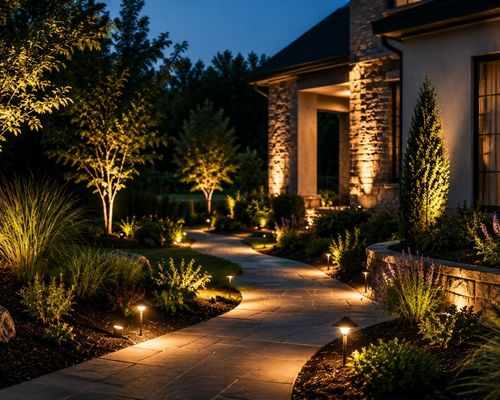
A well-planned lighting system can transform an ordinary walkway into an inviting part of the landscape. Outdoor Pathway Lights provide gentle illumination that helps define walking routes while enhancing gardens, entrances, patios, and other exterior areas. When selected and positioned thoughtfully, pathway fixtures can create a balanced nighttime appearance that combines visibility, elegance, and practical outdoor functionality without overpowering the surrounding landscape.
Visual Balance
Outdoor lighting should complement the landscape rather than compete with it. Pathway fixtures can establish a clear visual route while allowing plants, trees, borders, and architectural features to remain part of the overall composition.
A balanced arrangement avoids excessive brightness in one area. Instead, illumination should gradually guide the eye along the walkway. This creates a comfortable transition between different sections of the property and helps the landscape appear organized after sunset.
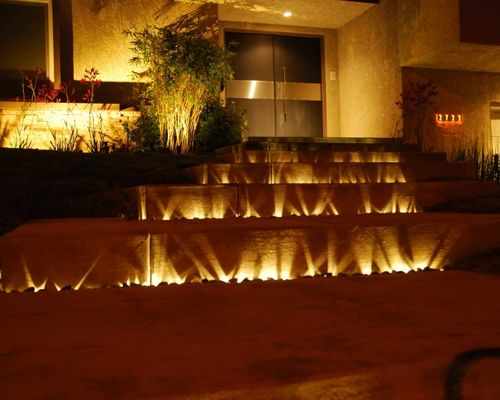
Fixture placement also influences how shadows appear around planting beds and hardscape surfaces. Carefully positioned lighting can reveal textures and shapes that may otherwise disappear in low-light conditions.
Style Coordination
Lighting fixtures should work naturally with the property's existing architecture and landscape style. Modern gardens may benefit from clean, understated fixture profiles, while traditional landscapes can pair well with more decorative designs.
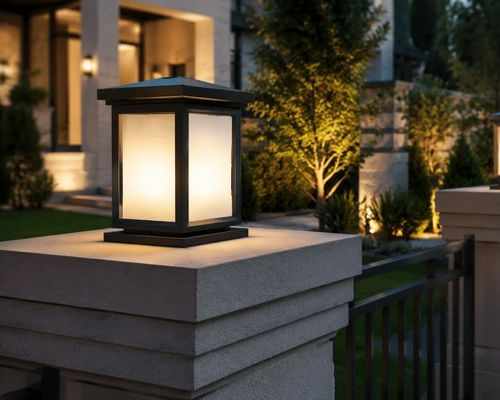
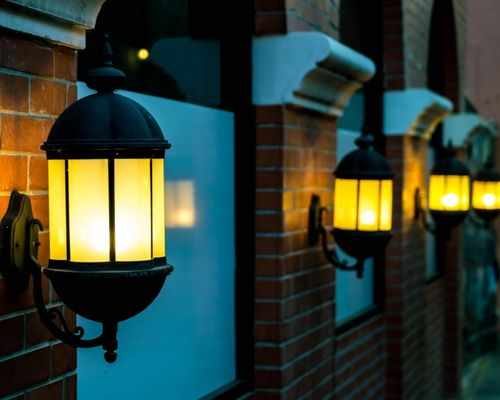
Pillar Outdoor Lights can complement pathway lighting when used near entrances, walls, gates, or architectural features. Combining complementary fixture styles can create multiple layers of illumination while maintaining a consistent visual identity throughout the property.
Finishes should also be considered carefully. A suitable finish can blend into planting areas during the daytime while becoming an attractive design element at night.
Smart Placement
Placement plays a major role in achieving comfortable and effective illumination. Fixtures should follow the natural movement of the walkway while responding to curves, steps, slopes, entrances, and surrounding landscape features.
Follow the natural direction of the walkway.
Consider changes in elevation and surface levels.
Avoid placing fixtures where they create direct glare.
Maintain a visually balanced arrangement.
Highlight important transitions and destinations.
Spacing should support an even visual rhythm. Fixtures positioned too closely can make an area appear overly bright, while excessive gaps may create uncomfortable dark sections. The ideal arrangement depends on the fixture design, landscape structure, and desired lighting effect.
Safer Movement
Good outdoor illumination can make evening movement more comfortable. Walkways often include changes in surface texture, steps, curves, and transitions that may be difficult to recognize in darkness.
Well-positioned fixtures can help reveal these areas without producing excessive glare. This is particularly valuable around entrances, garden routes, patios, driveways, and frequently used outdoor areas.
Lighting can also visually separate pedestrian routes from surrounding planting beds. This creates a clearer sense of direction and helps guests understand how different outdoor spaces connect.
Design Layers
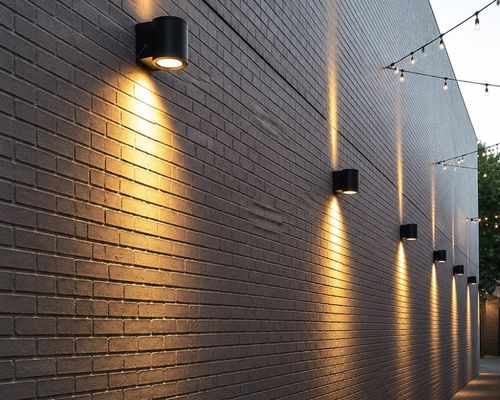
A sophisticated landscape lighting system often combines several types of illumination. Pathway fixtures can establish the primary route, while additional lighting can highlight trees, walls, garden features, seating areas, and architectural details.
Layering prevents the landscape from appearing uniformly bright. Instead, different levels of illumination create depth and visual interest.
A pathway may receive gentle light while a nearby tree receives subtle accent illumination. This relationship allows important landscape elements to become focal points without making the entire property excessively bright.
Fixture Quality
Outdoor fixtures should be selected with both appearance and performance in mind. Because they remain exposed to outdoor conditions, construction quality is an important part of long-term landscape lighting.
Choose fixtures designed for outdoor environments.
Consider finishes that complement the landscape.
Select suitable illumination patterns.
Match fixture size to the surrounding area.
Look for dependable and practical construction.
Quality fixtures can contribute to a more consistent appearance across the property. They can also support a cohesive design when several pathways, entrances, or garden areas are illuminated.
Garden Character
Lighting can reveal the personality of a garden after sunset. Plants, decorative stones, borders, trees, and architectural features can appear different when illuminated from carefully selected positions.
Gentle light can emphasize foliage and textures while preserving a relaxed atmosphere. Stronger illumination can be reserved for important entrances or architectural focal points.
The relationship between brightness and shadow should remain intentional. Some darkness can add depth and make illuminated features more noticeable, creating a more natural and sophisticated outdoor setting.
Evening Comfort
Outdoor spaces often remain useful after daylight fades. Comfortable lighting can make pathways and nearby gathering areas feel more welcoming for evening activities.
A softly illuminated walkway can connect patios with gardens, entrances, seating areas, and other destinations. This creates continuity throughout the property and allows outdoor spaces to feel connected rather than isolated.
Lighting temperature, fixture direction, and brightness all contribute to comfort. The goal should be illumination that supports movement and atmosphere without becoming visually distracting.
Easy Care
Regular maintenance helps preserve the intended lighting effect. Outdoor fixtures can collect dirt, leaves, and other debris, while growing plants may gradually interfere with their illumination.
Clean fixture surfaces when necessary.
Check positions after landscape changes.
Keep growing plants away from light output.
Inspect visible components periodically.
Maintain a consistent overall appearance.
Small adjustments can make a significant difference. A fixture that becomes partially covered by vegetation may no longer illuminate the intended section of a walkway. Keeping the surrounding landscape managed helps preserve the original lighting design.
Final Thoughts
C2C Lights supports thoughtfully designed outdoor environments with lighting solutions that combine practical illumination and landscape appeal. A carefully planned system can guide movement, emphasize architectural and garden features, and create an inviting atmosphere after sunset. By selecting complementary fixtures, considering placement, maintaining balanced illumination, and coordinating the overall design, outdoor walkways can become attractive and functional elements of the landscape.













Write a comment ...